Thyroid Nodules What They Are and How They Are Evaluated
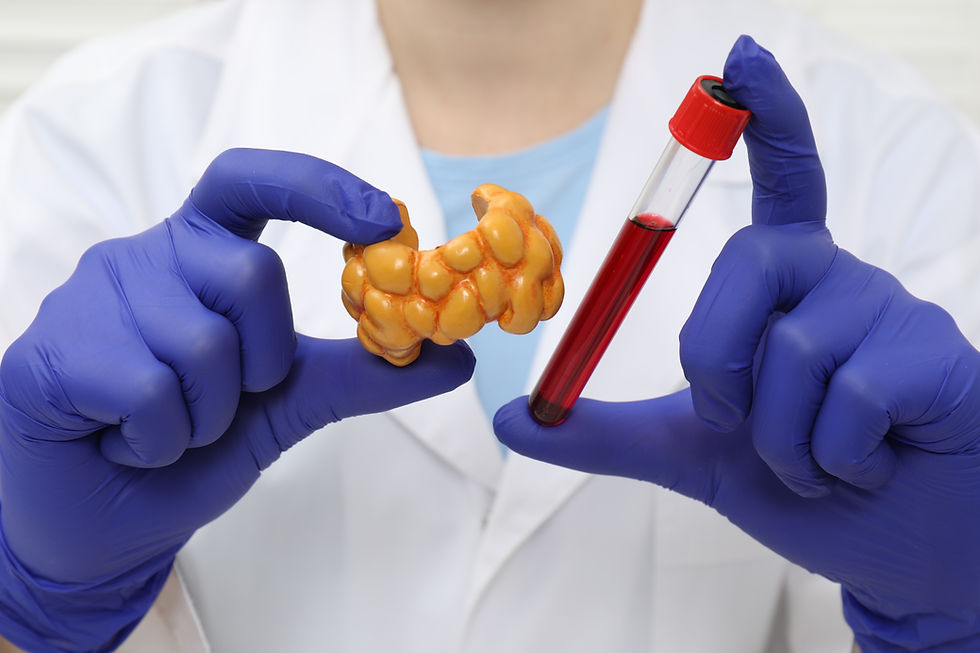
Finding out that there is a thyroid nodule can feel worrying at first, especially when the word “nodule” sounds unfamiliar. Some people may discover one after feeling a small lump in the neck. Others may only find out after an ultrasound or scan done for another reason.
A thyroid nodule is a lump or growth within the thyroid gland. The thyroid gland sits at the front of the neck and produces hormones that help regulate metabolism, energy use, body temperature, digestion, and heart rhythm. Many thyroid nodules do not cause symptoms and are often found incidentally during examination or imaging. Most thyroid nodules are not serious, although a small number may need closer evaluation.
Because thyroid nodules can vary in size, appearance, and behaviour, evaluation is usually guided by the full clinical picture. At Cedar Endocrine Clinic, located in Mount Elizabeth Medical Centre and Mount Alvernia Hospital, thyroid nodules may be assessed as part of a broader review of thyroid and endocrine health.
Understanding Thyroid Nodules
A thyroid nodule is an area within the thyroid gland that feels or looks different from the surrounding thyroid tissue. Some nodules may be solid, while others may contain fluid. Some may be very small and only seen on ultrasound, while others may be large enough to be felt or seen at the front of the neck.
Many thyroid nodules do not affect thyroid hormone levels. This means a person may have a thyroid nodule but still have normal thyroid function. In other cases, a nodule may be associated with changes in thyroid hormone production.
The purpose of evaluation is not to assume that a nodule is harmful. Instead, it is to understand its features, whether it affects thyroid function, and whether monitoring or further testing may be needed.
How Thyroid Nodules May Be Found
Thyroid nodules may be found in different ways. Some people may notice a swelling in the neck, especially when swallowing or looking in the mirror. Others may have a nodule detected during a physical examination.
In many cases, thyroid nodules are discovered incidentally. This means they are found during imaging done for another reason, such as a neck ultrasound, CT scan, or other medical scan. This can feel unexpected, especially when there were no symptoms beforehand.
Possible signs related to a larger thyroid nodule may include:
A visible or felt lump in the neck
A sense of pressure in the throat
Difficulty swallowing
Voice changes or hoarseness
Breathing discomfort if the nodule is large or pressing on nearby structures
These symptoms can have many possible causes, so medical evaluation is important before assuming that they are related to a thyroid nodule.
Why Most Nodules Are Evaluated Carefully Rather Than Urgently
Hearing that a thyroid nodule has been found can naturally raise concern about cancer. However, many thyroid nodules are benign, meaning they are not cancerous. The aim of evaluation is to identify which nodules appear low risk and which may need closer assessment.
Doctors usually consider several factors. These may include the person’s age, symptoms, medical history, family history, thyroid function blood test results, and ultrasound findings. The size and appearance of the nodule on ultrasound are especially important when deciding whether further testing is needed.
This careful approach helps avoid unnecessary procedures while still allowing nodules with concerning features to be assessed appropriately.
The Role of Thyroid Blood Tests
Thyroid blood tests may be used to understand whether the thyroid gland is producing hormone levels within the expected range. These tests often include thyroid stimulating hormone, also known as TSH, and sometimes T4 or T3 depending on the clinical situation.
Blood tests do not show whether a nodule is benign or cancerous. Instead, they help show whether the thyroid is underactive, overactive, or functioning within the expected range.
If thyroid hormone levels suggest overactivity, further assessment may be considered to understand whether a nodule is producing excess thyroid hormone. This is one reason blood test results are interpreted together with symptoms, examination findings, and imaging.
The Role of Thyroid Ultrasound
Thyroid ultrasound is commonly used to assess thyroid nodules. It uses sound waves to create images of the thyroid gland and surrounding neck structures. Ultrasound can show the size, number, shape, and internal features of nodules.
Ultrasound may help identify features such as whether a nodule is solid or fluid filled, whether its edges are smooth or irregular, and whether there are calcium deposits or other findings that may guide risk assessment. Ultrasound appearance and nodule size are commonly used to decide whether fine needle aspiration may be recommended.
It is important to understand that ultrasound does not automatically mean something serious has been found. It is a tool that helps doctors decide the most appropriate next step.
When Fine Needle Aspiration May Be Considered
Fine needle aspiration, sometimes called FNA or thyroid biopsy, may be considered when a nodule has certain ultrasound features, reaches a certain size, or raises concern based on the clinical picture. During this procedure, a thin needle is used to collect a small sample of cells from the nodule.
The procedure is often performed with ultrasound guidance to help place the needle accurately within the nodule. The cell sample is then reviewed in a laboratory to help determine whether the nodule appears benign, suspicious, or requires further assessment.
Not every thyroid nodule needs FNA. Some smaller or low risk appearing nodules may be monitored instead, depending on clinical findings.
Why Monitoring May Be Recommended
For nodules that appear low risk, monitoring may be recommended. This may involve repeat ultrasound after a period of time to check whether the nodule has changed in size or appearance.
Monitoring does not mean the nodule is being ignored. It allows changes to be observed carefully while avoiding unnecessary procedures when the nodule does not show concerning features.
The timing and frequency of monitoring may vary depending on the nodule’s size, ultrasound appearance, symptoms, medical history, and previous test results.
Understanding Results in Context
Thyroid nodule results are best understood as part of the whole clinical picture. A benign result may lead to monitoring. A suspicious result may lead to further evaluation. An unclear result may sometimes require repeat testing or additional assessment.
It is also possible for a person to have more than one thyroid nodule. In such cases, evaluation focuses not only on the number of nodules, but also on their individual features and whether any require closer attention.
This is why thyroid nodule assessment is usually step by step. Each part of the evaluation helps guide the next decision, rather than assuming the outcome from one finding alone.
Taking a Calm and Informed Approach
A thyroid nodule can be an unexpected finding, but it does not always mean something serious. Many nodules are found incidentally and may not cause symptoms or affect thyroid hormone levels. The key is to understand the nodule’s features and whether further evaluation or monitoring is appropriate.
At Cedar Endocrine Clinic, located in Mount Elizabeth Medical Centre and Mount Alvernia Hospital, thyroid nodules can be assessed in the context of thyroid function, symptoms, medical history, and ultrasound findings. This may help patients better understand what the finding means and what next steps may be suitable.
A calm, structured evaluation can provide clarity and help avoid unnecessary worry while ensuring that nodules needing closer attention are reviewed appropriately.